ZTNA Emerges as VPN Security Risks Put Federal Networks on Alert
Tue Jul 28 2026
Government
Networking
Security Management
Zero Trust
thecyberexpress.com
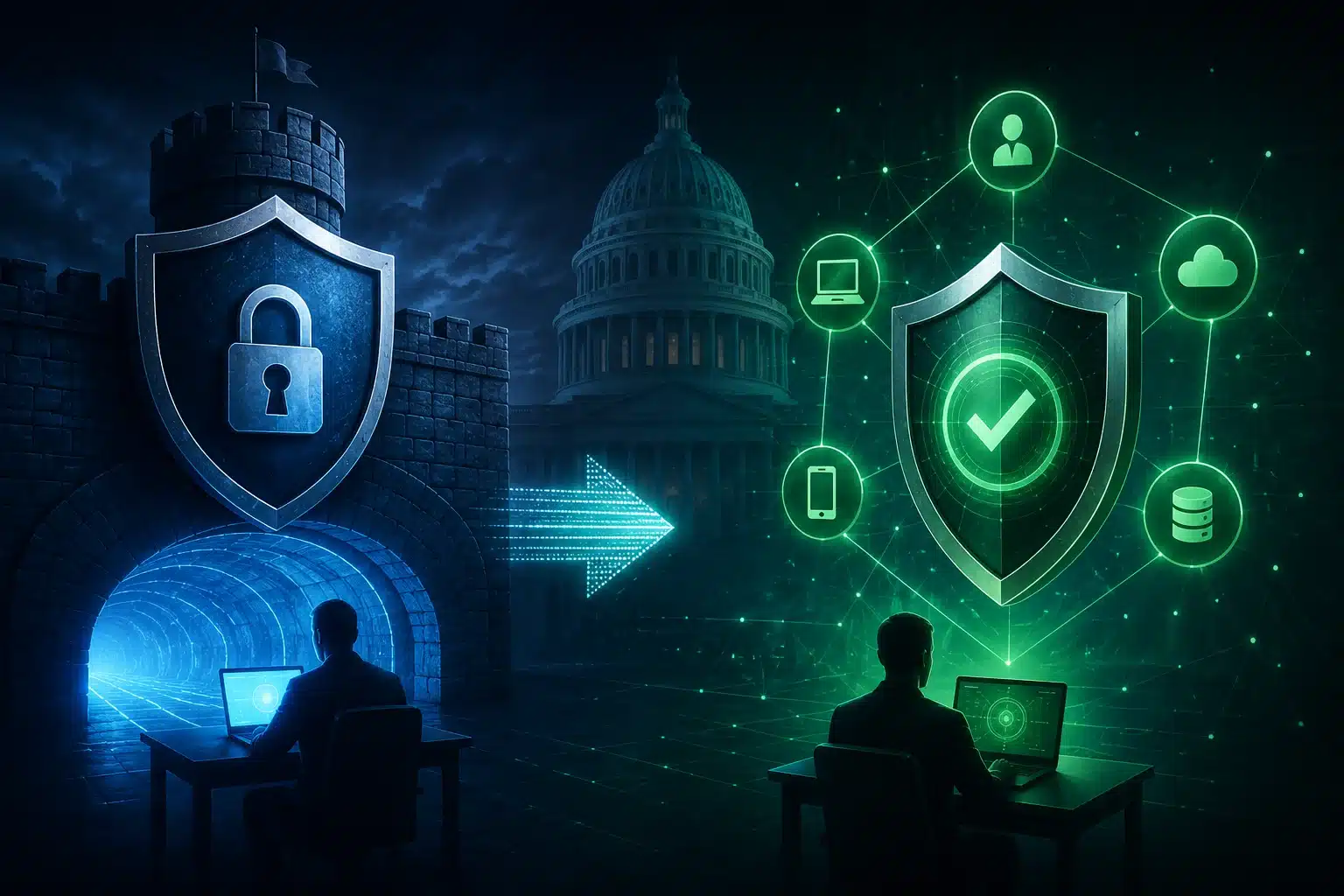
Federal agencies are facing growing pressure to evaluate ZTNA as an alternative to traditional VPN architectures, as cybersecurity threats expose weaknesses in internet-facing remote access systems. While VPNs provide encrypted connections for remote users, ZTNA follows a zero-trust model that continuously verifies users, devices, and access requests rather than assuming that authenticated users should receive broad network access.
The shift reflects a broader move away from the traditional "castle-and-moat" security model, where users inside an organization's network are generally trusted while those outside must first pass through a security perimeter. As organizations adopted cloud ser...